
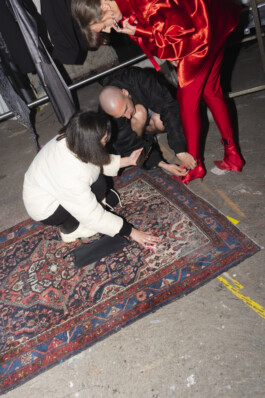
(DE-)MYSTIFICATION OF FASHION Happening, Photo: Alina Bäcker, Photo 2: Chulgyun Yoo,
Fashion: Jonathan Tschaikoiwski
The Image as System
Fashion images do not operate individually. They exist within systems of repetition and circulation. Editorials, campaigns, runway documentation and social media content form a continuous visual field in which certain poses, bodies and attitudes are reinforced.
Within this field, images function less as mirrors of reality than as proposals. They suggest how fashion should be read, how confidence appears and how belonging is performed. Meaning is produced through consistency, not through truth.

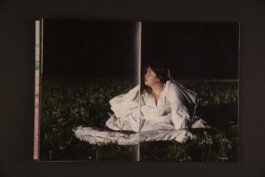
Breath Magazine vol 5, Model: Talia Ölker, Photo: Jonathan Tschaikowski
Coolness as Visual Strategy
Coolness is not a personal quality. It is a visual strategy. In fashion imagery, coolness manifests through control, restraint and emotional distance. Bodies appear composed, unaffected and self-contained. Effort remains invisible. The image suggests autonomy while concealing the labour and construction behind it.
Coolness allows fashion to communicate authority without confrontation and desire without vulnerability. It operates as a code that signals distinction and legitimacy.
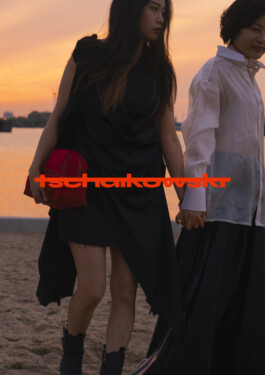
Models: Hyunjin Lee and Jeonglim Baek, Photo & Layout: Chulgyun Yoo,
Fashion: Jonathan Tschaikoiwski
Distance, Affect and Control
Fashion images carefully manage affect. Rather than overwhelming the viewer emotionally, they establish a controlled distance. This distance produces aspiration.
By suppressing visible strain, uncertainty or contradiction, images construct the illusion of natural superiority. Confidence appears innate rather than produced. The viewer is invited to close this distance through identification and consumption.
The power of the fashion image lies precisely in this controlled withholding.
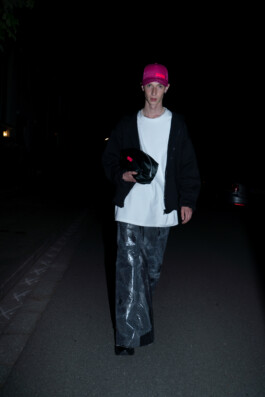
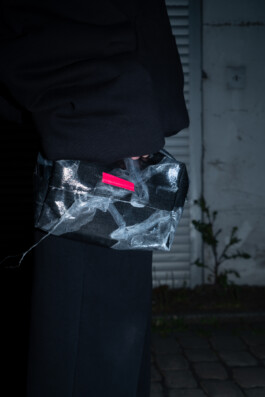
Model: Frido Heinz, Fashion & Photo: Jonathan Tschaikowski
The Digital Image
In contemporary fashion culture, images function as interfaces. Within digital environments, visibility is shaped by grids, screens and algorithms. Recognition depends on immediate legibility.
The smartphone screen becomes a primary stage. Fashion adapts accordingly: gestures, silhouettes and styling choices are optimised for circulation rather than duration. The image is no longer secondary to fashion. It is where fashion takes place.
Raumkörper, socio-political dance performance,
Direction: Sarah Schurian, Film: Frederic Hermann,
Fashion: Hyunjin Lee, Clara Marita Elaine and Jonathan Tschaikowski
Working With Images
My practice engages images as material rather than outcome. Instead of reproducing dominant aesthetics, I analyse how images operate, which codes they normalise and which forms of visibility they privilege.
By isolating, exaggerating or reconfiguring visual strategies such as coolness, the image becomes a site of intervention. What appears effortless is revealed as constructed. What seems neutral is exposed as strategic.
Beyond the Perfect Image
stay cool does not seek to replace one ideal image with another. It questions why certain images persist and how they maintain authority.
By treating the fashion image as a system rather than a surface, space opens for alternative visual narratives. Images that acknowledge construction, tension and agency without abandoning aesthetic intensity.