
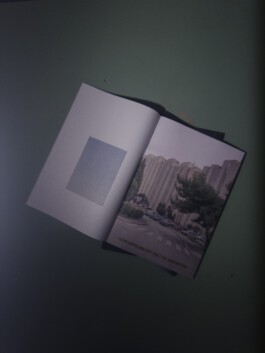
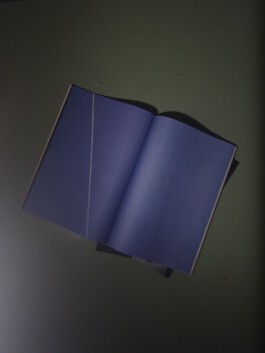
(DE-)MYSTIFICATION OF FASHION Happening, Photo: Alina Bäcker, Photo 2: Chulgyun Yoo,
Fashion: Jonathan Tschaikoiwski
Editorial as Structure
An editorial is not a collection of images, but a temporal arrangement.
Through sequencing and pacing, editorial design produces meaning across time. Images gain significance through their position in relation to others. A pause, a repetition or an interruption alters how fashion is perceived.
Editorial logic does not present fashion as a singular moment, but as a progression.

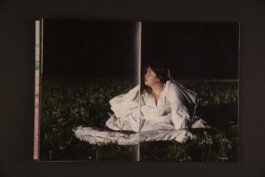
Breath Magazine vol 5, Model: Talia Ölker, Photo: Jonathan Tschaikowski
From Page to Feed
The logic of the editorial did not disappear with the decline of print circulation. It migrated. Digital platforms reproduce editorial structures in fragmented form. Feeds, grids and swipe sequences inherit principles of pacing, hierarchy and repetition. The difference lies not in logic, but in speed and scale.
What once unfolded across pages now unfolds across screens. Editorial design adapts, but its function remains: to organise attention and produce coherence within excess.
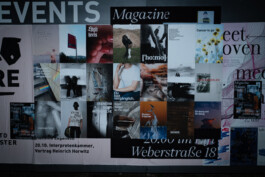
Models: Hyunjin Lee and Jeonglim Baek, Photo & Layout: Chulgyun Yoo,
Fashion: Jonathan Tschaikoiwski
Working With Editorial Systems
My practice engages editorial structures as material. Rather than treating editorials as formats to be filled, I examine how narrative order produces meaning.
By reconfiguring sequence, disrupting rhythm or collapsing distinctions between image, text and layout, editorial design becomes a site of inquiry. Fashion is no longer presented as a finished statement, but as a constructed narrative open to reinterpretation.
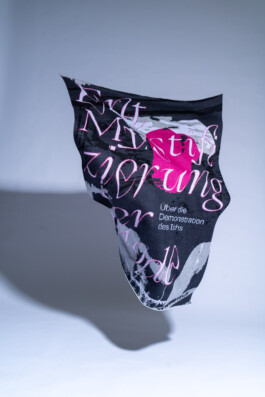
Model: Frido Heinz, Fashion & Photo: Jonathan Tschaikowski
Beyond Print
print is dead does not argue for the return of print, nor does it celebrate digital acceleration. It questions why editorial structures persist and how they continue to shape fashion communication.
By understanding editorial design as a structuring principle rather than a medium, fashion can be read critically across platforms. Attentive to how stories are assembled, paced and controlled.
HANDOUT 1
Gestaltung und Konzept: Kim Heintzen und Jonathan Tschaikowski