
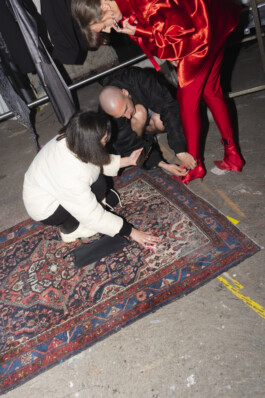
(DE-)MYSTIFICATION OF FASHION Happening, Photo: Alina Beckmann, Photo 2: Chulgyun Yoo,
Fashion: Jonathan Tschaikoiwski
Fashion as Situation
Fashion operates through situations. Runway shows, installations, performative formats and mediated events organise how bodies are positioned and how meaning is produced.
Staging structures distance and proximity. It determines who is centred and who remains peripheral. Fashion does not simply exist within a setting; it constructs the setting through which it is experienced.

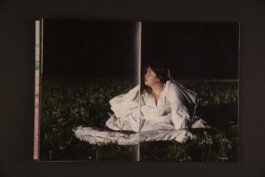
Breath Magazine vol 5, Model: Talia Ölker, Photo: Jonathan Tschaikowski
Scenography as Method
Here, scenography is not decoration. It is an analytical tool.
Through arrangement, rhythm, light and atmosphere, fashion establishes structures of visibility. These structures are rarely recognised as such; they appear aesthetic, intuitive or natural.
To analyse fashion scenographically means to expose how presentation organises perception and how atmosphere becomes a mechanism of control.
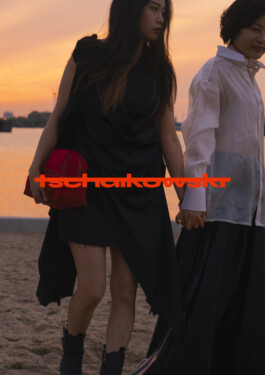
Models: Hyunjin Lee and Jeonglim Baek, Photo & Layout: Chulgyun Yoo,
Fashion: Jonathan Tschaikoiwski
Visibility and Power
Every fashion situation contains an implicit politics of visibility.
Staging amplifies certain bodies while diminishing others. It produces focus, hierarchy and emotional alignment. These effects are not imposed through instruction, but through sensation; through what is felt rather than what is stated.
The power of fashion staging lies in its subtlety.
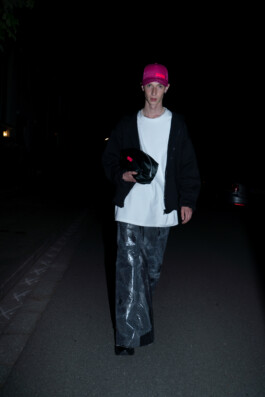
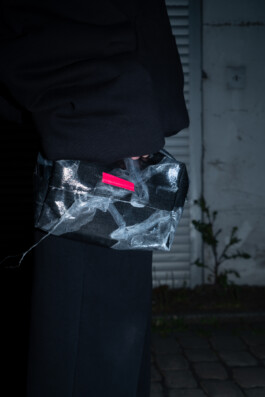
Model: Frido Heinz, Fashion & Photo: Jonathan Tschaikowski
Working With Staging
My practice treats staging as material rather than support. Performative and situational formats are used to test what happens when established presentation logics are displaced.
When staging is foregrounded, the garment loses its apparent autonomy. What becomes visible instead is a system: constructed, repeatable and open to intervention.
Raumkörper, socio-political dance performance,
Direction: Sarah Schurian, Film: Frederic Hermann,
Fashion: Hyunjin Lee, Clara Marita Elaine and Jonathan Tschaikowski
Towards Reconfiguration
If fashion is fundamentally staged, the question is not whether it is scenographic, but how its staging can be rethought.
overdressed understands the situation as the site where fashion becomes operative: where images, narratives and production conditions take effect.
It forms the groundwork for further investigations into fashion as image, editorial structure, exhibition format and material practice.